Medieval Siege Survival: Can You Last Until Dawn in a Town Under Siege?
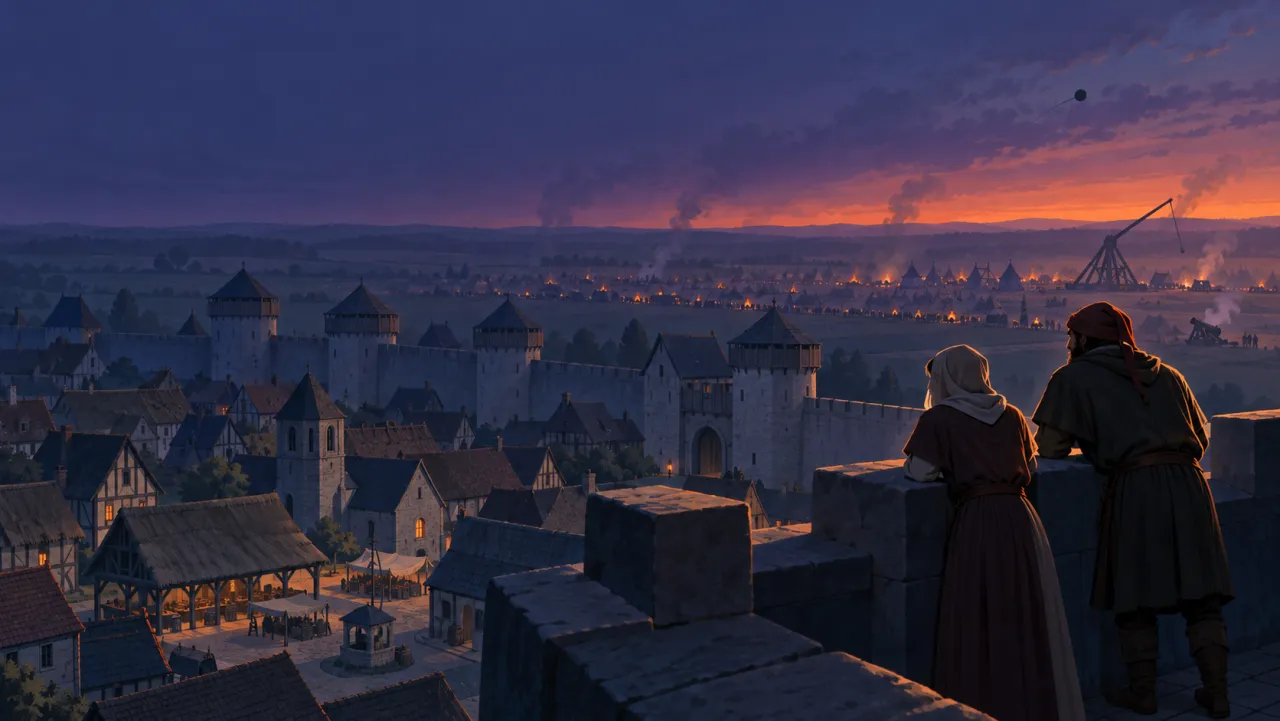
▶ Play free nowNo install · phone & PC · 3–4 min per run“A Medieval Siege Night” is a free choice-based medieval siege survival game you play right in your browser. Autumn 1374, during the Hundred Years' War: Valbrune, a small (fictional) walled market town in northern France. It is the 40th day of the siege, bread is down to half a loaf a day, and at 7:10 p.m. the church bell starts ringing wildly. Tonight the trebuchets will strike.

How the night plays out
A run takes 3–4 minutes. Time is compressed and only stops when you choose.
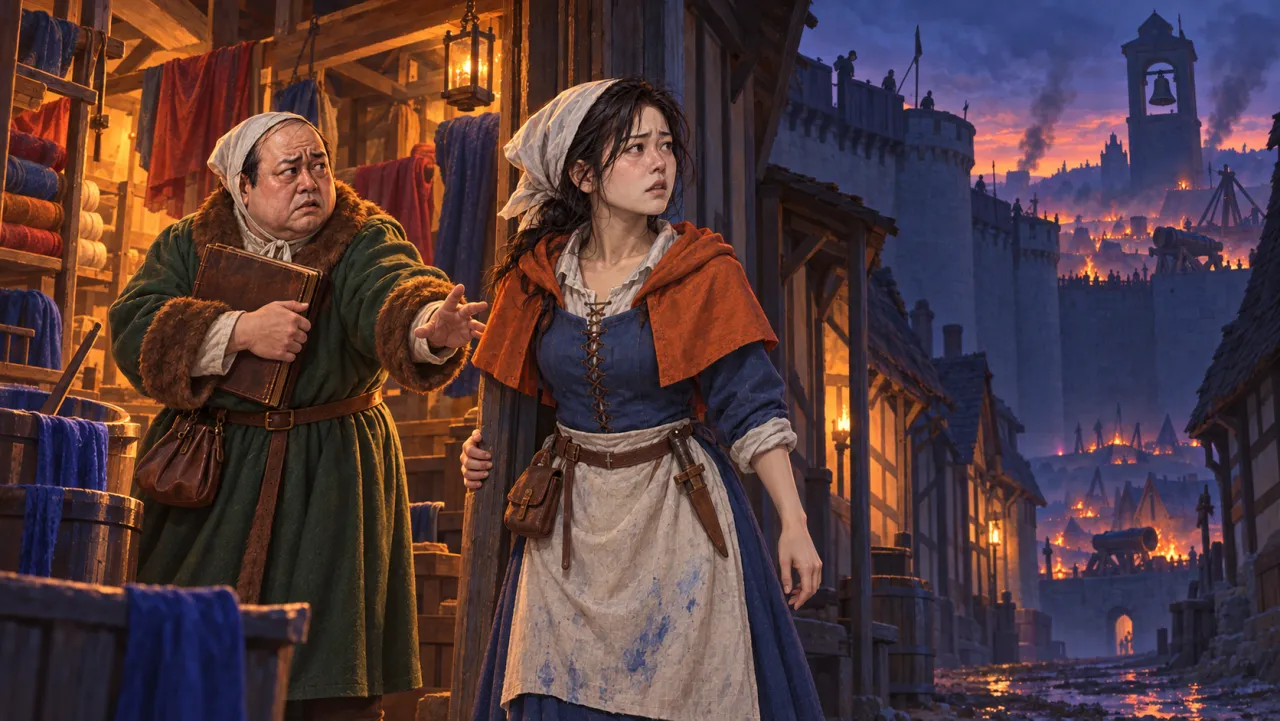
- Ten minutes of bells: Wet hides over the thatch, or wake the sleeping apprentice? And where to go — a stone-vaulted cellar, the church nave, the “thick-walled” bell tower, or stay in the workshop under the wall to guard the cloth?
- The first stone: when you hear the air tear, get down within 1.7 seconds. Burning eaves, a frozen apprentice, a guild warden clutching his cloth.
- Fire and arrows: fire arrows in the thatch. Pull the roof down with a fire-hook or join the bucket chain? Crossing the square to the well means moving between volleys — stop when someone shouts “Arrows!” (a body-action card).
- The night of the siege: a barber-surgeon who wants to bleed your master, moat water “made safe” with incense, a council that wants to expel the “useless mouths”, the rumour that “they'll kill us all if we surrender”, and ripples in a bowl of water on the cellar floor — hold your breath to hear the picks digging below (a hold-your-breath card).
- The flag of truce at dawn: a lone herald with a white cloth. Wait for the treaty, or slip over the wall in the mist?
Beliefs of the age vs. what we know now
The heart of the Eras series is the clash between what people believed then and what we know today: sealing wounds with boiling oil, bleeding a feverish man, the “bad air” theory that says you only need to block the smell. Even when you know the right answer, insisting on it in front of everyone makes people whisper that you are strange — and when suspicion boils over, torches gather at your door. Don't argue: lean on someone respected, or prove it by working alongside them. The results screen shows “What they believed then → What we know now” cards.
The news window and the villain, Crochard the grain merchant
Instead of a phone you get the period's news window: market-square rumours, town-hall proclamations and bells, and shouts from the walls. Important news appears as a banner. The grain merchant Crochard swears the grain is gone, then sells bread for three silver coins a loaf and rents out places in his “double-stone” cellar. Lift his sacks, remember the face you saw at night, tell the garrison — and the hidden grain comes out into the square.
Story mode, random mode and skills
Story mode follows a fixed night (7:10 p.m. bells, 7:20 p.m. first stone, the night assault after 9 p.m., talks at dawn). Random mode changes the time from bells to first stone, whether the house next door collapses, the wind, and when the mine reaches the wall. Each run your character gets a new name and a period trade (skill).
- 🩺 Assistant to Dame Ysabeau, the midwifePresses wounds with clean cloth quickly and properly · a midwife’s word draws less gossip
- 🔧 Mason on the cathedral worksKnows which stone vaults are sound · quick to sense rumbling underground
- 🦺 Crossbowman, formerly of the gate guardDrops by reflex at the sound of an incoming stone · words that hold people back carry weight
- 📦 Storekeeper at the draper’s workshopKnows where every water tub, hide and bucket is
- ☕ Hand at the market bakeryStarts with extra bread · calms people with a piece of bread
- 🔦 Night watchman on patrolAlways carries a lantern · sharp night vision, knows every alley
- 💻 Cathedral scribeCan read proclamations · tells rumour from real decrees
- 📢 Notary’s clerkKnows the customs of surrender by treaty · explains calmly, draws less suspicion
- 🛋️ Farmer who fled a burned villageUsed to hunger and cold · carries a blanket
- 🚴 Errand-runner for the town councilKnows alley shortcuts · walks take less time
- 🧹 Odd-job hand at the dye worksKnows where all the wet hides, fire-hooks and buckets are
Same faces, another age: the people trapped with you
The familiar faces of the survival series return as townspeople of 1374: Master Barthélemy, the timid, face-saving guild warden of the drapers; Perrine, the youngest apprentice who dozed at the loom; Dame Ysabeau, the calm midwife; and Colin, the innkeeper's son who hears every rumour first. Their clothes follow 1370s northern French townspeople's dress: wool cotes, linen chemises, chaperon hoods and linen veils.
12 hidden missions
Each run secretly picks 3 missions, revealed on the results screen. For example: Cut the fire's path, Clean linen, not oil, Ripples underground, Expose the grain merchant, Stand with the expelled, No moat water.
12 survivor types
Survive and you get a type based on what you did.
 Ahead of their timeBoiled water, clean cloth, a stone-vaulted cellar — you held to answers six hundred years ahead and still weren’t driven out.
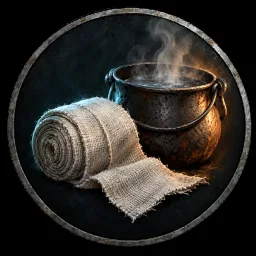 Clean cloth, not oilYou stood in front of the hot iron. 160 years before Paré.
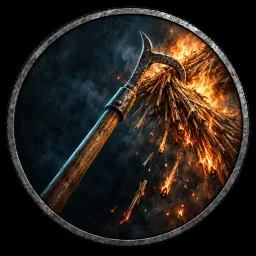 The hook that broke the fireYou pulled down a burning roof and saved an alley.
 Ears beneath the earthRipples in a water bowl and one breathless minute saved the wall.
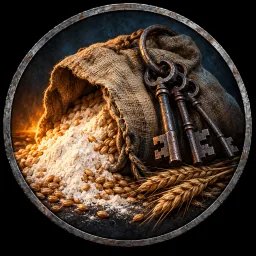 Exposer of the grain merchant“You still have grain?” — that one question brought the hidden flour out into the square.
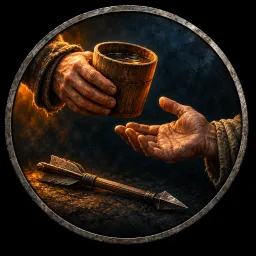 Human, even to the enemyYou stood in front of the clubs. Even in war, there was a line to hold.
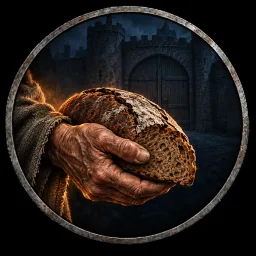 Side with the expelledThere were no “useless mouths.” The old woman saw the night through inside the walls.
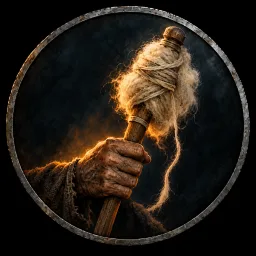 Guardian of the youngestYou pulled frozen Perrine down. She will remember that night all her life.
 A child of their ageYou did as people of that era believed and, by luck, survived. People trust you.
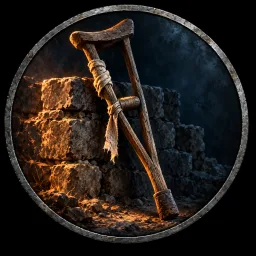 Limping survivorBadly hurt, but alive. Before the ink on the treaty was dry, you collapsed into sleep.
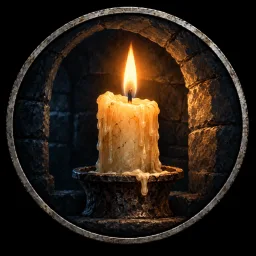 The cool-headed survivorYou got through the siege night without major mistakes.
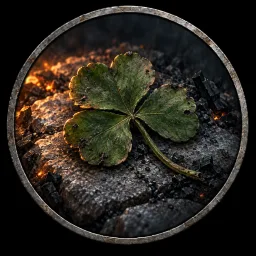 The lucky-break survivorFull of mistakes, but you survived. Will you be this lucky in the next siege?
12 death types
Die and the type tells you which choice did it.
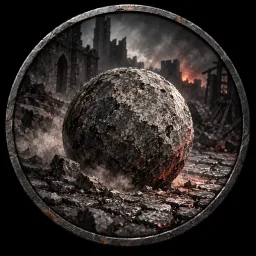 The one who looked upYou heard the whistle in the air. You were one second short of dropping flat.
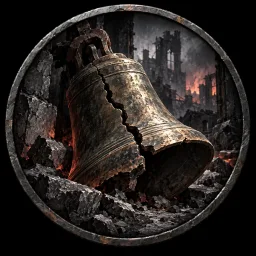 The one who climbed the bell tower“The stone is thick, so it’s safe.” From over there, that tower was the easiest thing to see.
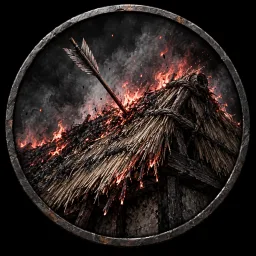 Under the thatch“Surely they won’t shoot again?” Above your head was a single layer of straw.
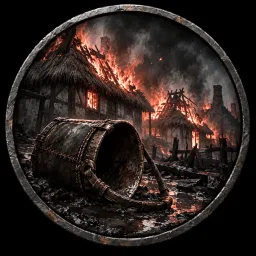 The spreading fireYou left the fire to the watch. Thatch doesn’t wait.
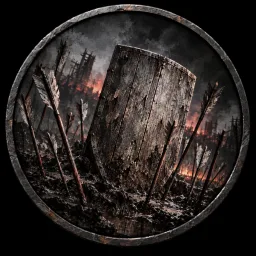 The one who ran through the arrowsEven at the shout of “Arrows!”, you didn’t stop.
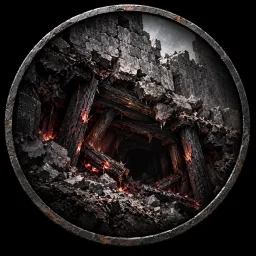 A night above the mineThe tapping underground was not the trebuchets.
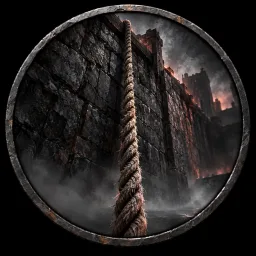 The one who crossed the wall at night“Surrender and they kill everyone.” The rumour was wrong, and there were crossbows in the mist on both sides.
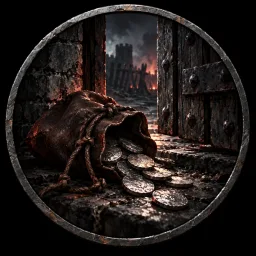 The one who followed the grain merchantA ten-silver postern. The ditch bank was in plain sight.
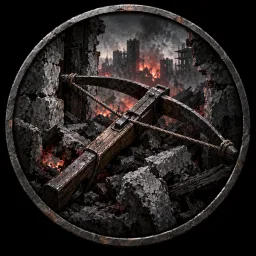 The one who went to the breachThe parley trumpet was sounding. A hand holding a crossbow drowned it out.
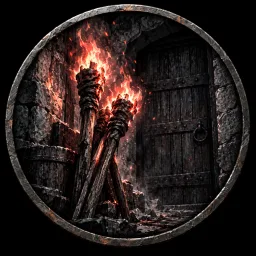 The cornered oneYou knew the right answer. Instead of arguing, you needed someone to lean on.
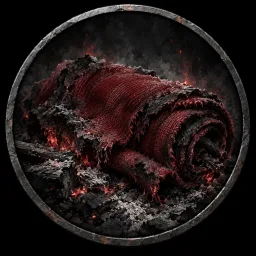 The one who went for the clothCloth could have been woven again.
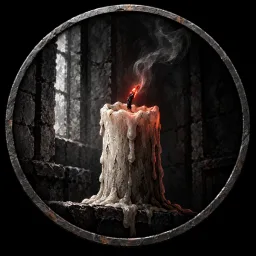 Siege nightStone, fire and hunger. That night was far too long.
10 tips to survive (in the game and in life)
- A stone-vaulted cellar beats a tall tower. High places are targets seen from afar.
- When you hear something incoming, drop where you are and cover your head.
- Get out from under burning eaves. Thatch falls in whole bundles.
- Pull a spreading roof fire down to cut its path. The first minutes matter most.
- Press a wound hard with clean cloth. Never sear it or pour oil on it.
- Give a feverish person water and warmth, not bloodletting.
- Boil water or drink from a deep well. Dirty water spreads disease, not smells.
- Trust official announcements over rumours. Check “they'll kill us all” against the proclamation.
- When people turn on you, don't argue — lean on someone they trust.
- Don't climb the wall at night. Moving in the dark is dangerous on both sides.
Share your result
After a run, add your name and share the result card with friends. This game is the second episode of the Eras series, about ordinary people caught in great disasters of the past (episode 1: The Black Death city, 1348; next: Pompeii's last day, AD 79).
FAQ
Is the medieval siege game free?
Yes. It is a free browser game with no payments, no install and no ads. It works on phones, tablets and PCs.
Is it real history?
The town of Valbrune and all characters are fictional. But the picture of the siege — trebuchets, early cannon, fire, mining, surrender on terms — and the medicine of the time (bloodletting, searing wounds with boiling oil) follow historical records. No real massacre is recreated.
How long is one run?
Usually 3–4 minutes. The siege night is time-compressed and only stops for events.
Why do people get suspicious when I pick the right answer?
To people of that time, someone who washes wounds with water instead of oil, boils moat water or talks about surrendering on terms looked strange. The right answer is safe, but insisting on it in public raises suspicion, and too much of it triggers a crowd at your door.
Did defenders really pour boiling oil from castle walls?
Rarely. Oil was expensive and hard to heat; water (to fight fires), hot sand and quicklime were far more common on the walls, according to English Heritage.
Where is the safest place to shelter?
A stone-vaulted cellar far from the wall. The tall bell tower is a target, and houses right under the wall or attics under thatch are the most exposed to stones, fire and a collapsing mine.
How many people survive by guessing?
In bot tests, about 89% of players who choose at random die. Following the right answers, everyone survives.
Are there other episodes?
Yes: the Eras series (The Black Death city 1348, Pompeii's last day AD 79, Titanic 1912, the Great Fire of London 1666), plus the war, escape, stranded and disaster series.