Imjin River Survival: 2 a.m., and the Water Rises in Minutes
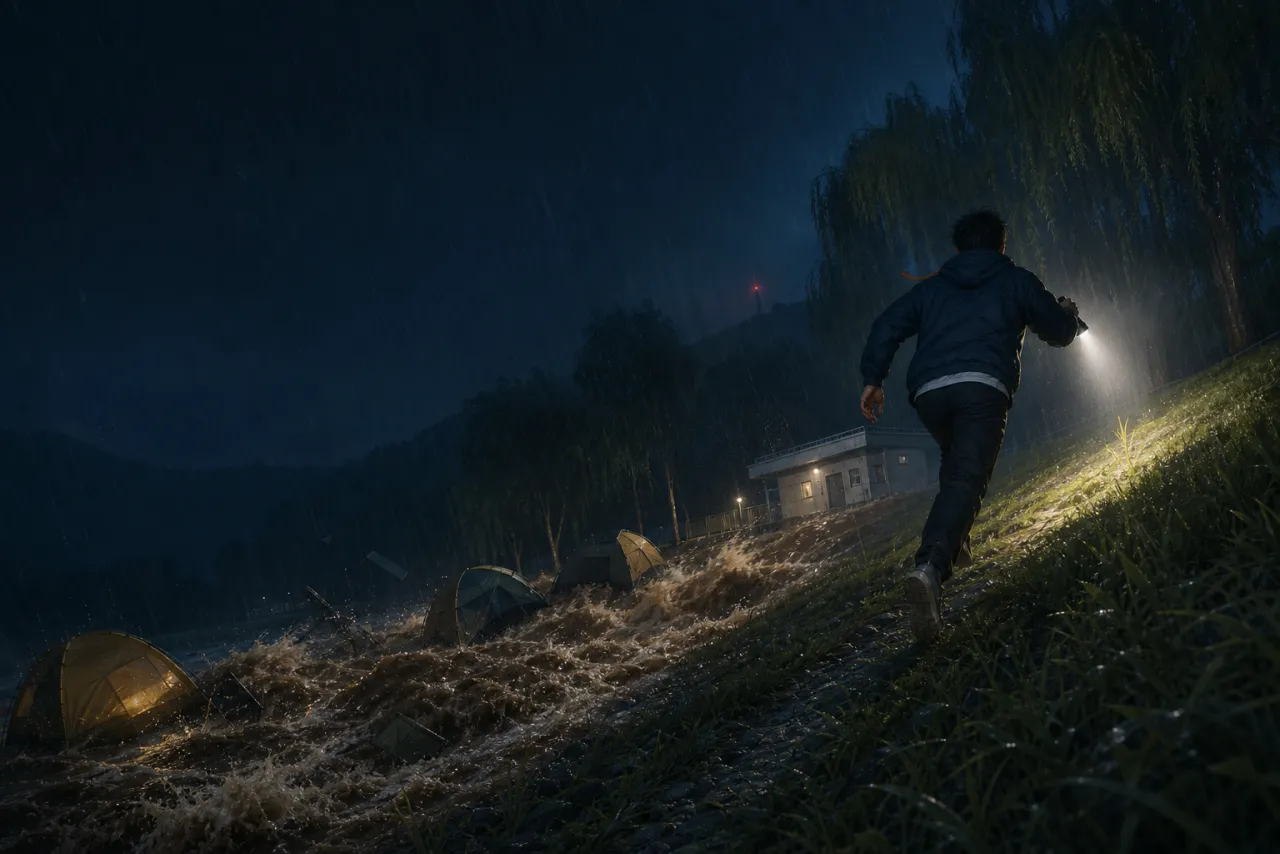
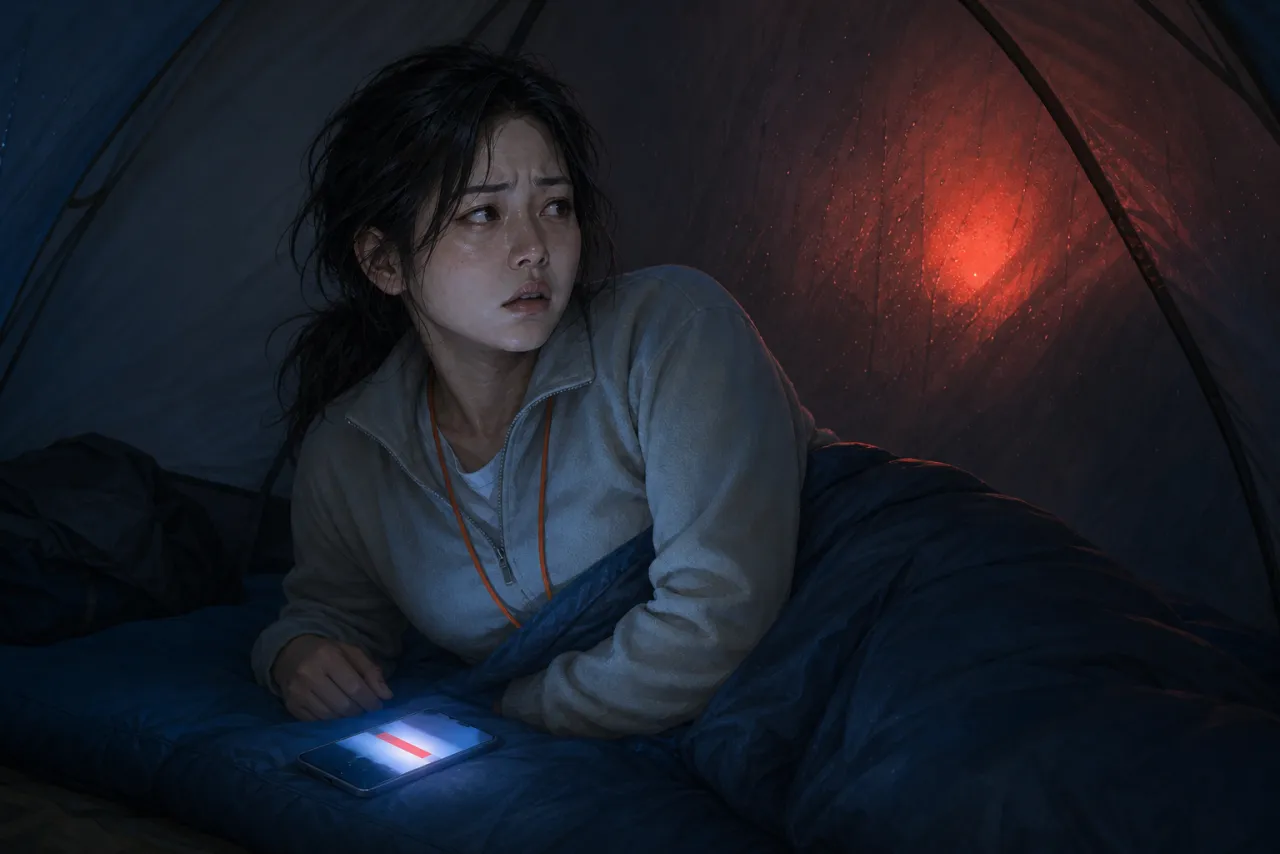
▶ PLAY FREE NOWNo download · Phone or PC · 3–5 minutes per run · 10 languagesNight on the Imjin: Release Without Warning is a free choice-based flood survival game you play right in your browser. Seongsu Team 3 is spending the night at a (fictional) campsite on the Imjin River in Yeoncheon, Gyeonggi-do, South Korea, for their autumn workshop. At 2:14 a.m., an emergency alert text and a siren go off at once: a dam upstream has released water without warning. Half asleep, you have about three and a half minutes until the path to the levee floods, and about five minutes until the whole campsite is underwater.
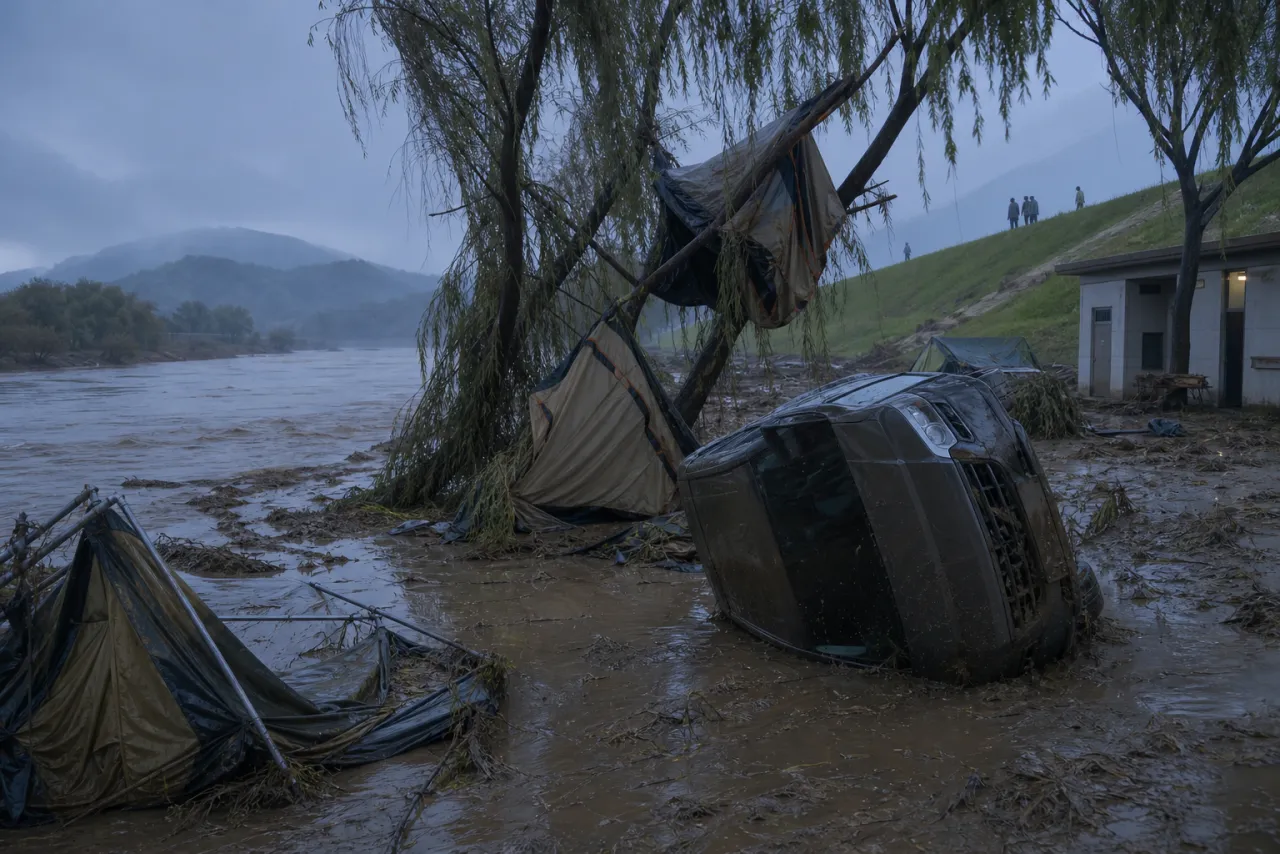
The campsite and characters are all fictional. The basis is a real event. Before dawn on 6 September 2009, an unannounced release from a dam upstream across the border made the Imjin River rise suddenly, and 6 people, including riverside campers, died. Afterward, the Gunnam Flood Control Dam and an upstream water level monitoring and warning system were built. The game does not reenact those deaths; it lets you practice the real actions that keep you alive in the same situation.
How the flood simulation works
At the top of the screen, “Levee path floods in m:ss” counts down, then “Campsite floods in”, and time stops only while you decide (⏱ running / ⏸ paused). The river level and your height margin appear live at the top. Every right answer is real guidance from the Korea Meteorological Administration, the Ministry of the Interior and Safety, and the National Fire Agency; every wrong answer is a mistake people actually make.
- Situation card: your tent spot (riverside gravel, grass site, or car camping in the riverside parking lot), whether you have a survival bag, where it is and what's inside, a life jacket, and your phone battery are set each run.
- Pre-dawn alarm: jump up, read the emergency alert, or go back to sleep thinking “probably a drill”?
- The minutes the water rises: walk to the levee, go move the car, wake the next tent, or pack up the tent first?
- Rushing current: muddy water flows across the path ahead. 15cm can knock a person down, and 30cm floats a car. Cross, or go around?
- If stranded: from a roof or tree, give 119 your location and signal with a light or whistle.
- Before dawn: cold in the rain, the “water's gone down” rumor, a second release.
- Morning: register at the designated shelter, or go down to the river to find your car?
Your survival bag changes your choices
This episode's new axis is preparedness. The situation card decides whether your survival bag (emergency go-bag) is fully packed, half packed, or missing, and whether it's at the tent door or in the car trunk. The items in the bag actually open and close choices. Without a flashlight, you move slower in the dark; with a whistle, you wake the next tent in one go and send rescue signals. A rain poncho and foil blanket get you through the rainy night, and a power bank and portable radio keep you connected to 119 and official updates to the end. The result screen shows an “If only I'd had” list and a real survival bag checklist.
3–8 second timed cards
The heart of this game is screen shake, vibration, and time limits. The moment the siren wakes you, the moment muddy water cuts off the path, the moment water spills over the causeway, the moment the car floats, the moment someone shouts from the water below the levee — each brings up a 3–8 second card. Fail to choose and things go the worst way. In real life, too, the river rises tens of centimeters in the few dozen seconds you hesitate.
Four colleagues and trust hearts
Team Lead Park, who drank soju and fell asleep car camping (“Just move the car, I'll drive”); Jiwoo, the new hire, asleep in her earbuds and unable to hear the siren; Manager Do, first to wake at the siren and grab her first-aid pouch; and Seojun, the intern, shooting a timelapse of the swelling river by the campsite office. Who you wake and what you say raises or lowers trust hearts, and changes your colleagues' fates.
3 hidden missions
Each run sets 3 hidden missions that don't appear on screen. They're drawn from 12, including waking Jiwoo in her earbuds, pulling the team lead from his car, waking the family next door, bringing the survival bag, leaving within 1 minute of the alarm, not going to the car, giving 119 your location, and not going down to the river until the all-clear.
12 survivor types, 12 casualty types
How you survived decides your survivor type.
 The Straight-to-the-Levee TypeWhen the alarm sounded, you reached the levee before having to cross water, and didn't go down until the all-clear.
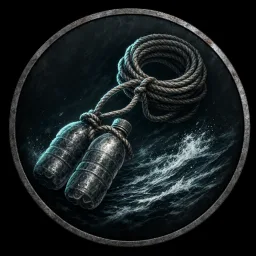 The Throw-Don't-Go RescuerYou didn't jump in. You threw water bottles and a rope.
 All Night in the RainYou held out on the levee until dawn. Even at "the water's gone down," you didn't go down.
 The lucky-break survivorFull of mistakes, but you survived. Will you be lucky next time too?
And the mistakes that take lives in real floods become the casualty types.
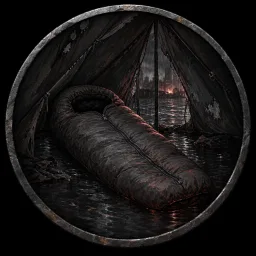 The One Who Went Back to Sleep"Probably a drill." The siren was real.
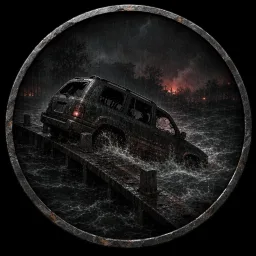 The One Who Went for the Car30cm and a car floats. The causeway was already a river.
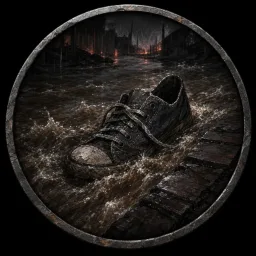 The One Who Crossed the Water"It looked shallow." With flowing water, the force is scarier than the depth.
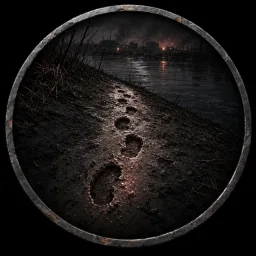 The One Who Went Down Too Soon"Water's down a bit." Then came the second release.
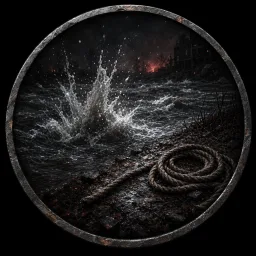 The Rescuer Who Jumped InYou jumped in to save them. Something to throw was right beside you.
10 tips to survive the game (and real life)
- When the alarm sounds, get up and move. Read the emergency alert while walking.
- Away from the river, to high ground. Nearby high ground, like a levee or hill, comes first.
- Don't cross flowing water. 15cm can knock you down. Go around, or call 119 from high ground.
- Abandon the car. 30cm of water floats a car. Don't cross a flooded bridge (low causeway).
- Evacuation routes avoid riverbanks and low roads. Take the slope path, even if it's a detour.
- Keep the survival bag at the tent door. In the car trunk, you'll have to go down low to get it.
- Wake the next tent. Many people can't hear because of earbuds or rain. A whistle carries farthest.
- Start with “where” when calling 119. Campsite name, building, utility pole number.
- Throw, don't jump in, for someone in the water. A rope, empty water bottle, or cooler.
- Don't go back to the river until the all-clear. Even if the water briefly recedes, another release may come.
Real guidance and a survival bag checklist are collected in What to do in a flood or river overflow.
The Survival Series and sharing your result
This game is one of the disaster episodes in the Survival Series, where you practice real disaster guidance through a few minutes of choices. When a run ends, enter your name and share your result card. Friends can see exactly where you went and what mistakes you made, then try it themselves.
FAQ
Is the Imjin River game free?
Yes. It's a completely free browser game with no payments and no download. It works on phones, tablets, and PCs.
How long is one run?
Usually 3–5 minutes. From the alarm until the water peaks it runs in near real time; holding out until dawn goes by quickly.
Is it based on a real event?
It's a fictional scenario based on the Imjin River incident of 6 September 2009 (an unannounced release from a dam upstream killed 6 people, including campers). The campsite, characters, and times are fictional, and the victims are not reenacted.
What's in the survival bag?
It varies each run. It holds some of: bottled water, emergency food, flashlight, portable radio, power bank, first-aid kit, foil blanket, whistle, rain poncho, cash, and an ID copy — and the items you have open or close choices.
What is the “height margin” in the result?
It's the smallest value, after the flood front arrives, of the height you were standing at minus the river level at that moment. Below 0 means you were underwater, and below -0.6m usually means you were swept away.
Why shouldn't you go move the car?
The riverside parking lot and the low causeway on the access road are level with the river, so they flood first. 30cm of water can sweep a car away, so the right answer is to abandon the car and walk to high ground.
What languages is it in?
Korean, English, Japanese, Chinese (Traditional and Simplified), Vietnamese, French, Thai, Spanish and German. It switches automatically to your browser language.
Can I play on my phone?
Yes. It's built for a vertical phone screen, with rain and water sounds and vibration. Headphones are recommended.